For the child with ADHD or autism who will not sit down with schoolwork

Homeschool lessons they will actually open

We build a world around what your child loves and turn their schoolwork into challenges inside it, all written to the Australian Curriculum.

Families already do their whole school week with us.

Our mission

Every child has a spark. School should kindle it, not put it out.

Your child is already capable of amazing things. Too often, school buries it. We start with what they love. Curiosity does the rest.

For your child

Lessons about what they love. Learning that feels like theirs.

For you

The planning and the paperwork, done. More time with them.

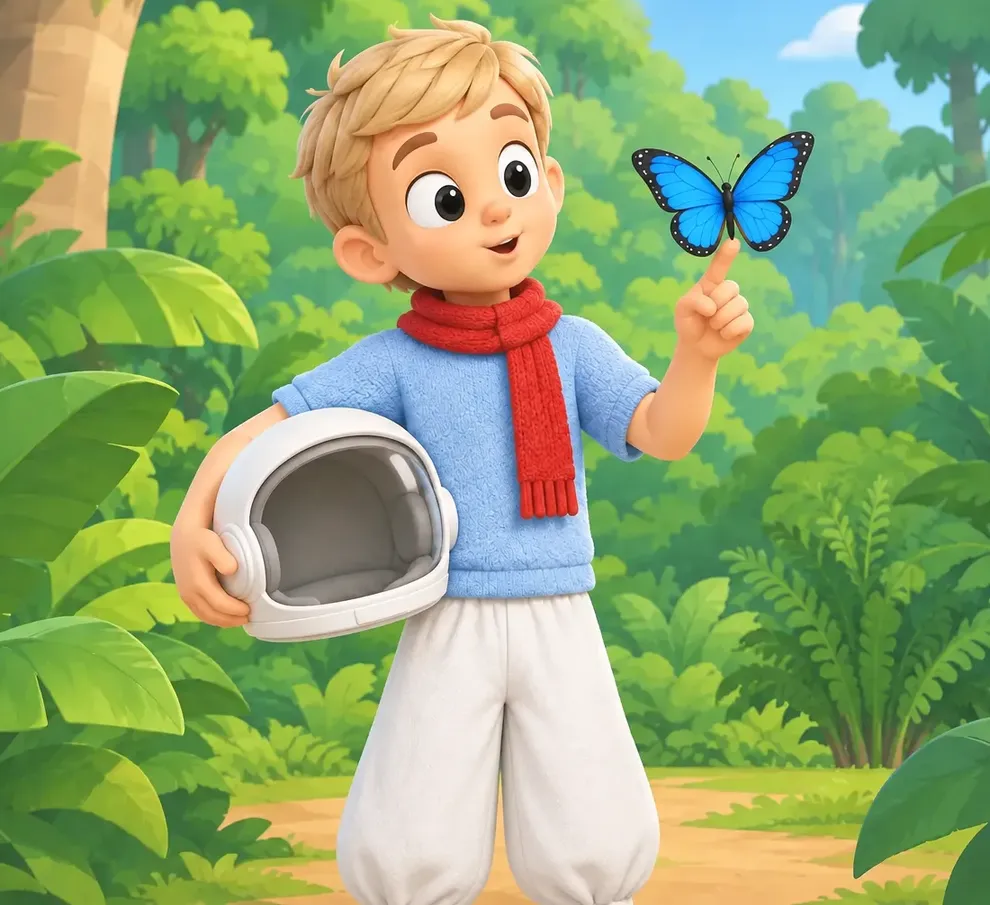
A boy in a sunlit rainforest, a space helmet under his arm, gazing in wonder at a bright blue butterfly that has landed on his raised finger.

Adventurer mode

A trip around the world, one challenge at a time

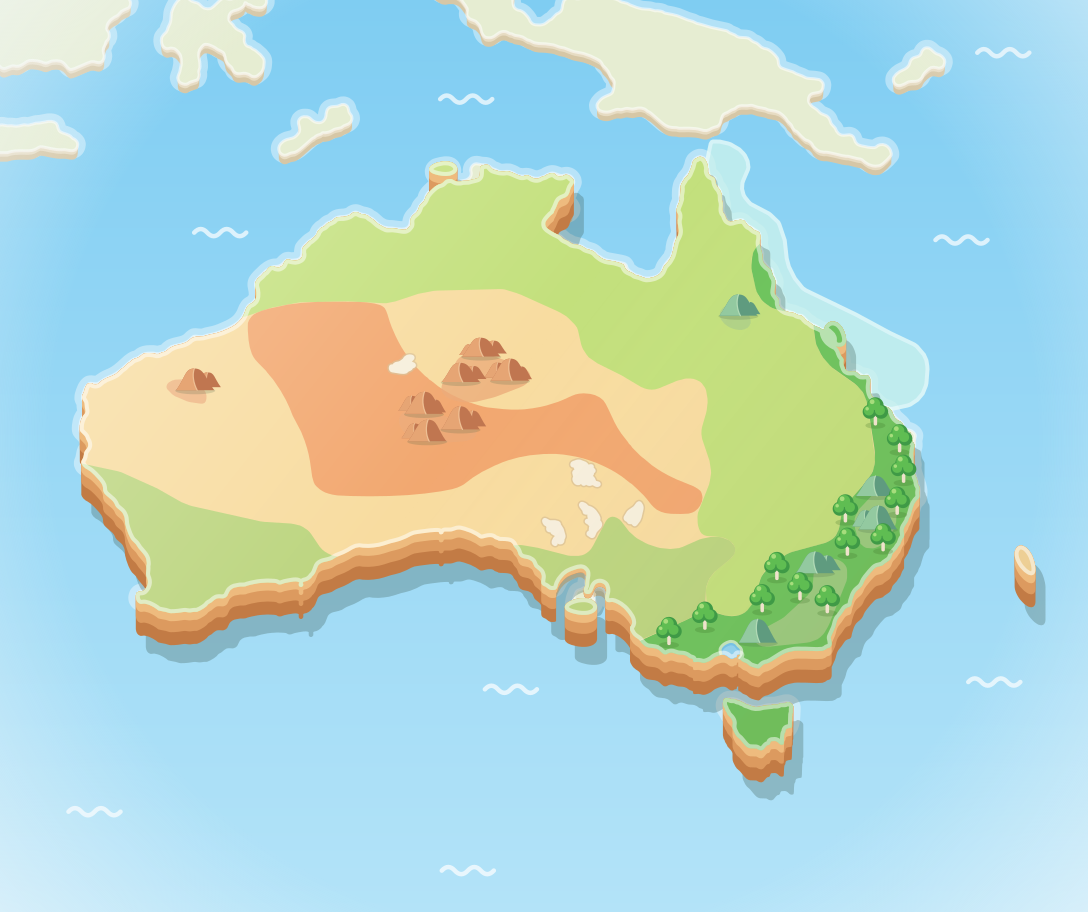
Every week a new region opens on your child's map. Every place on it is a challenge, and each one is a short story built around what they love.

  • Challenges they finished
  • The next challenge, one at a time

Adventurer mode: your child's side

What your child does

Five screens from the child's side of the app.

  1. 1Make yourself
    MeAdventuresCrew
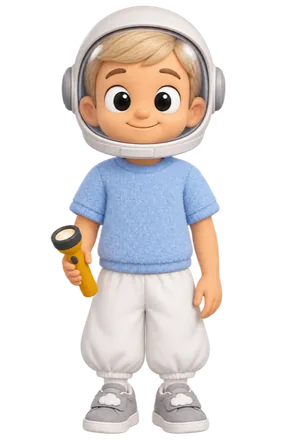
    A boy the child has drawn as themselves: fair hair, a space helmet, a blue jumper, white trousers and a yellow torch.
    Draw me

    Pick things to change.

    Boy or girlAgeSkinHairHatOutfitToolGlasses
    Everyday: a blue t-shirt, navy shorts and grey sneakersEveryday
    Explorer: a khaki shirt, khaki shorts with a belt and brown bootsExplorer
    Scientist: a white lab coat over a blue shirt, navy shorts and grey sneakersScientist

    Your child draws themselves: hair, outfit, hat, a tool to carry. That character is the one who goes on every trip.

  2. 2Pick the next place
    MeAdventuresCrew

    Your adventures

    ‹Week 2›
    Snowy
    Snow on the Snowy Mountains
    Find out what broke the rocksSnowy Mountains

    A new region opens every week. The red pin is today's challenge.

  3. 3Open the chest
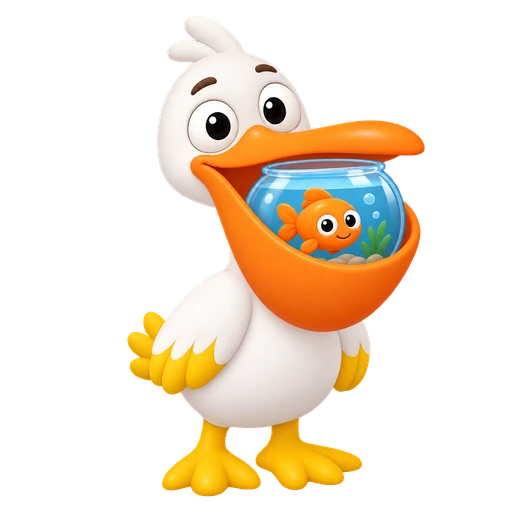
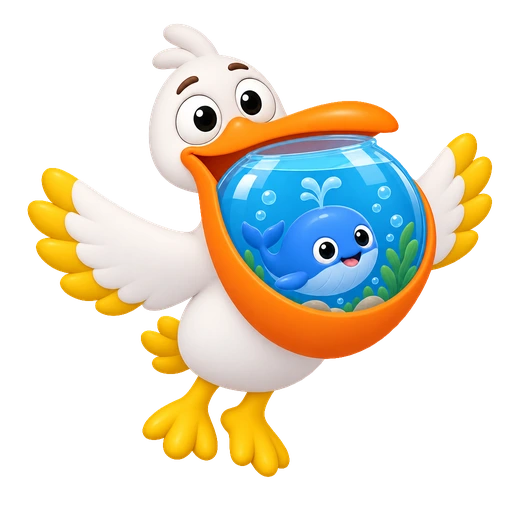
    Pouch Pelican, a white pelican with a fish bowl in its beak, jumping out of the chest.An open treasure chest

    Pouch Pelican is coming with you!

    A new crew mate

    Every challenge starts with a chest, and a new crew mate jumps out to come along.

  4. 4Do the challenge
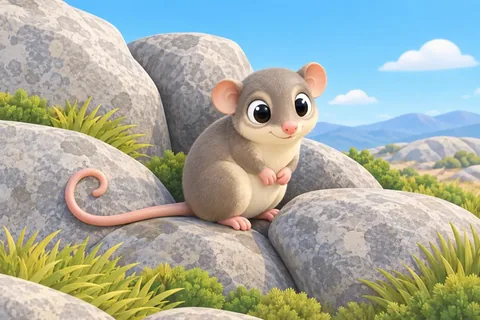
    A mountain pygmy-possum, a tiny grey-brown animal with big dark eyes and a long curled tail, sitting on grey rocks.
    The story

    A ranger stops beside you at the rocks. She says a tiny animal lives in the gaps between them. It is the mountain pygmy-possum.

    People once thought it had died out. But in 1966, a live one was found at a ski resort.

    Next

    A short story they are part of. The lesson is what they need to finish it.

  5. 5Level up the crew
    MeAdventuresCrew

    Crew

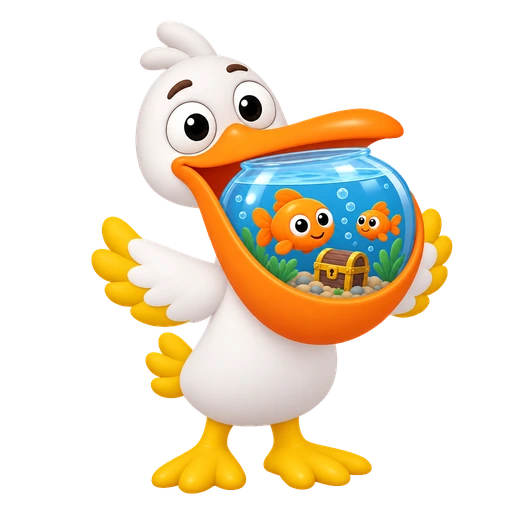
    Pouch Pelican at level 2
    Level 2
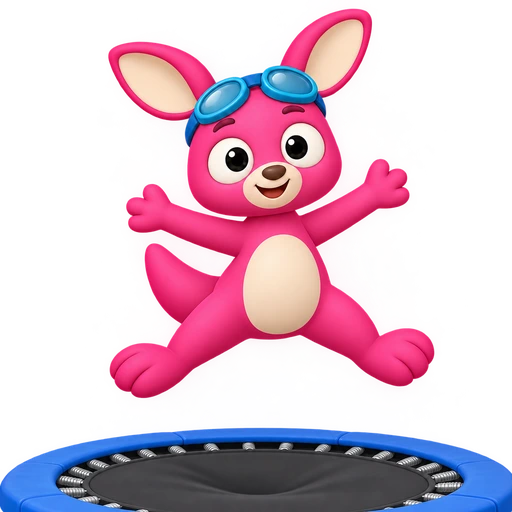
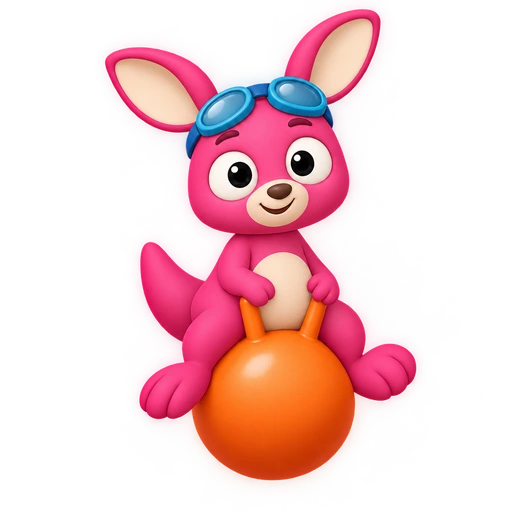
    Space Hopper Roo at level 3
    Level 3
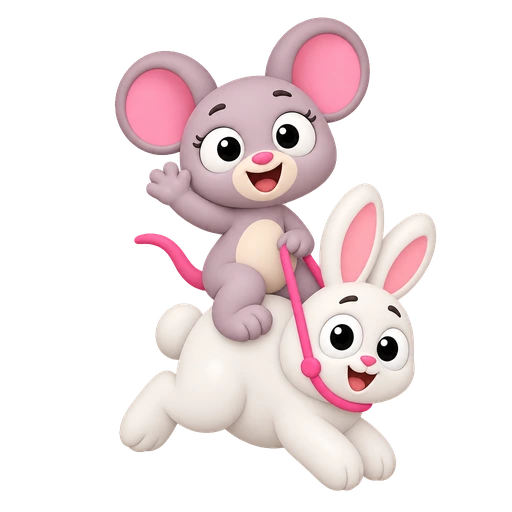
    Rider Mouse at level 2
    Level 2
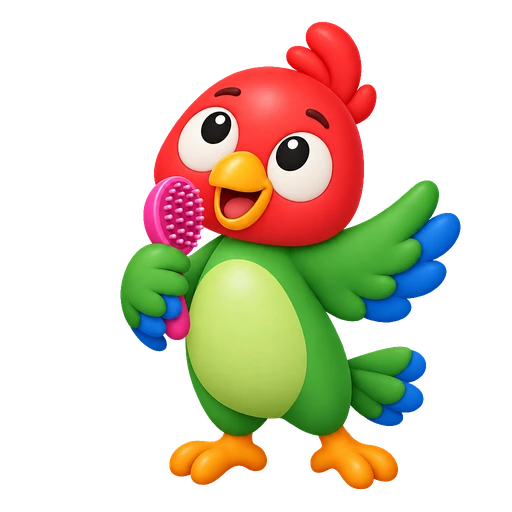
    A grey shape of a parrot, not met yet
    Not yours yet
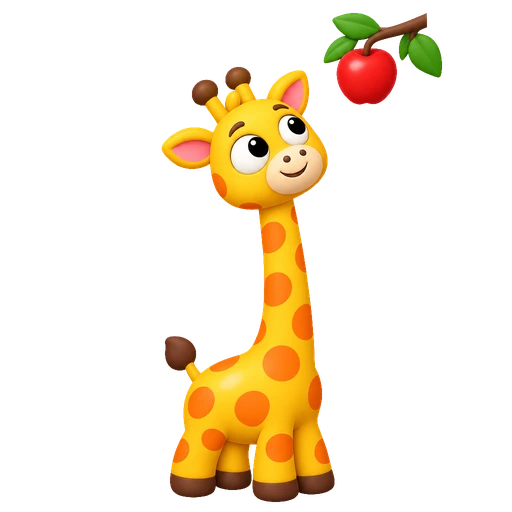
    A grey shape of a giraffe, not met yet
    Not yours yet
    Level up

    Level 2 to Level 3

    Pouch Pelican at level 2, its pouch an aquarium.Level 2
    Pouch Pelican at level 3, a whale swimming in its pouch.Level 3
    Nice!

    Every answer levels a crew mate up, and they change at every level.

They are in the story

The character they make is the one in the pictures

Drawn once, then in every story they go on.

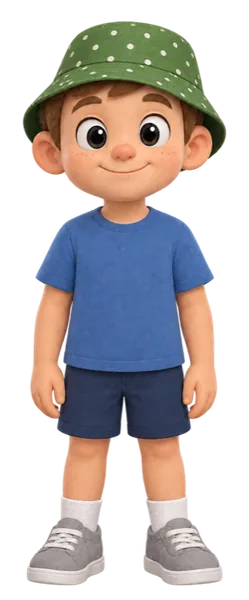
They make thisA boy as the child drew him: a green spotted hat, a blue t-shirt and navy shorts.
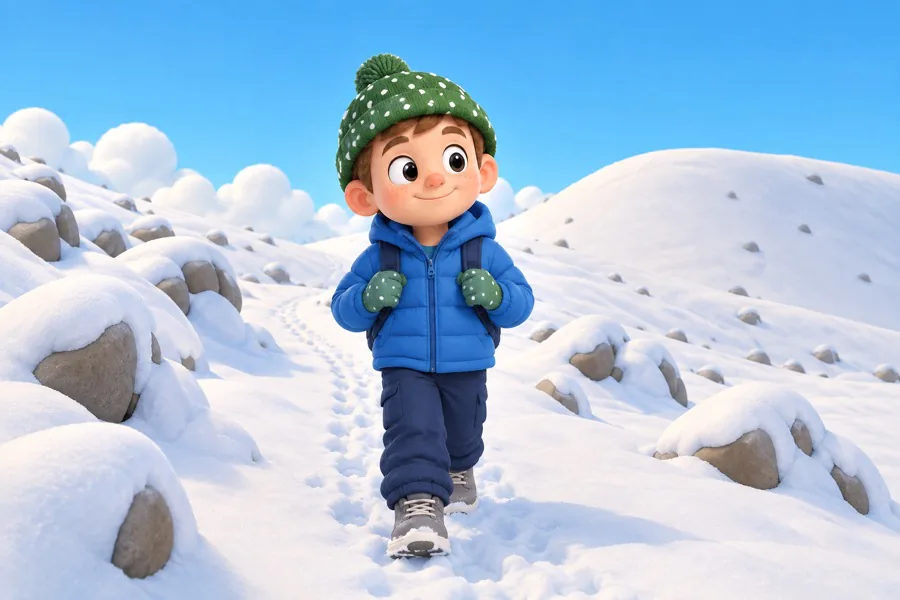
Then in every storyThe same boy in a green spotted beanie and a blue puffer jacket, walking up a snowy hill between boulders.

Adventurer mode: built around what they love

Same curriculum. Their story.

Each lesson starts with a problem, and the lesson is how your child solves it. These were made for a boy who loves travel and nature, so his week is a trip through Indonesia, and the villain is Mr Sneakenhausen, a vain tourist whose plans always go wrong. If your child loves trains, cars or bus timetables, we build the same curriculum around those instead. Studies of autistic children found they learn more when lessons use their special interest.1 Press play to hear one, a 15 minute lesson told in under a minute.

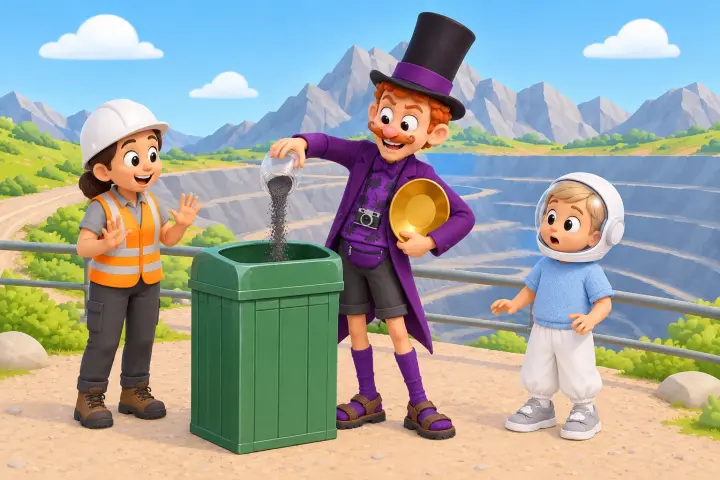
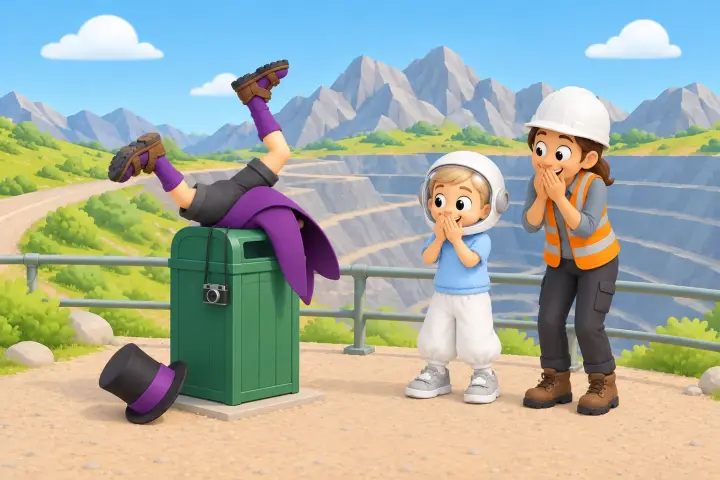
At the mine lookout, Mr Sneakenhausen grins and tips the jar of dark powder into an open green bin. The geologist and the explorer look surprised.Summary · a 15 minute lesson in under a minute

You are at a giant mine in Papua. A geologist shows you a jar of copper powder. But the villain, Mr Sneakenhausen, is here too.

“Copper? Brown, boring, and everywhere. Gold is treasure. Copper is rubbish!”

And he tips it into the bin.
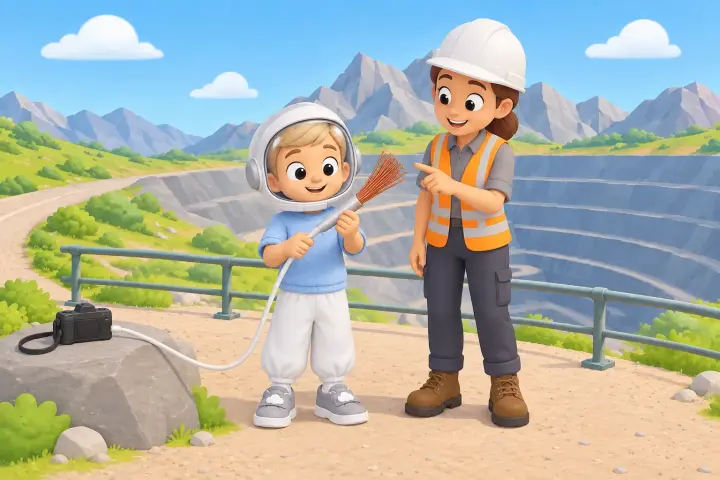
The explorer holds Mr Sneakenhausen’s camera cord with its end peeled back, showing a fan of shiny copper wires. The geologist points at the copper.

Is copper rubbish? Peel open Mr Sneakenhausen's camera cord: inside is shiny copper wire, carrying the electricity. Copper is in the wires in your walls, your phone and every car.

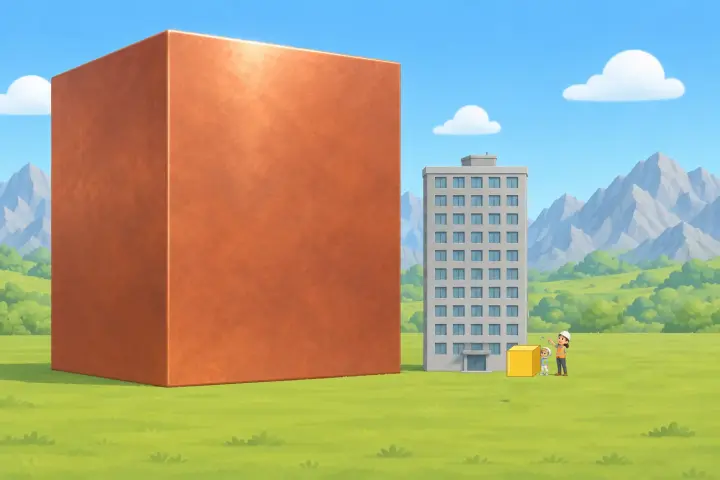
A giant copper block towers over a ten storey building. At the building door, the explorer and the geologist are tiny, beside a gold block only as tall as the explorer.

“In one year, this mine dug up about 53 tonnes of gold, and 680 thousand tonnes of copper.”

Gold is so rare it could never wire the world. Copper is common, so there is enough for every wire. Being common makes it useful.

Mr Sneakenhausen has dived head first into the bin, legs kicking in the air, his top hat on the ground. The explorer and the geologist try not to laugh.

“Copper is treasure? My copper!”

So in he dives, head first, to get it back.

“Mine! All mine!”

  • Narrator
  • Mr Sneakenhausen (the villain)
  • Geologist
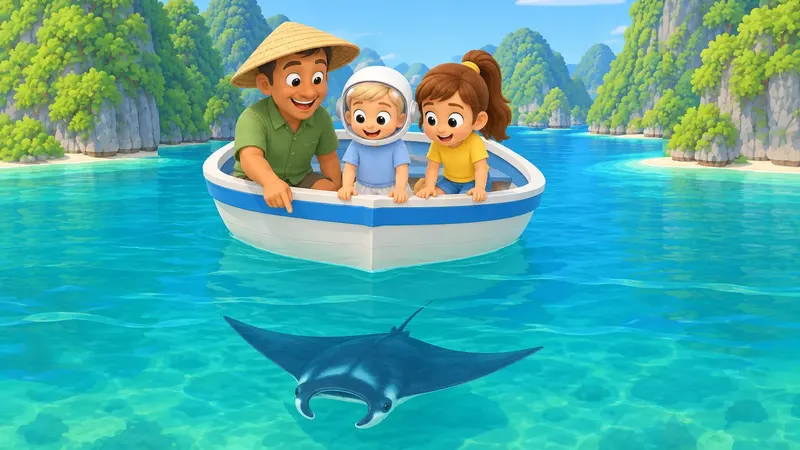
  • In a small boat on a calm lagoon, a local guide in a straw hat points down at a manta ray gliding under the water, while a boy in a space helmet and Sofía lean over to look.
    Wayag

    Find the lost manta sightings

    He adds 9 and 8 and gets 7. Where did the ten go?

    Maths: carrying the ten

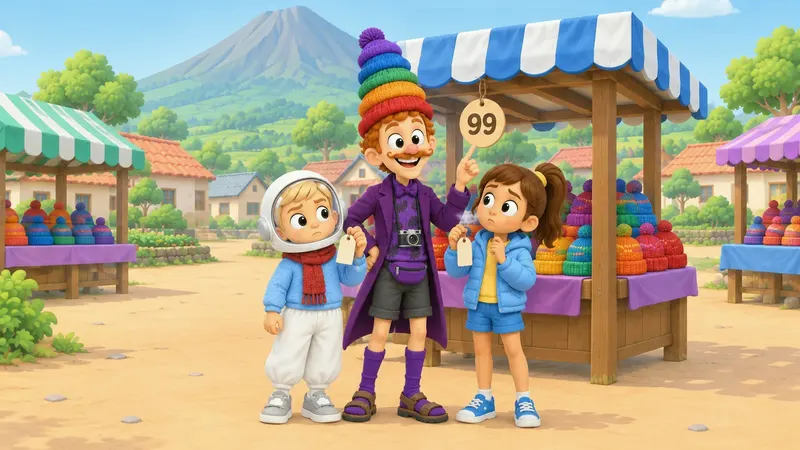
  • At a sunny market under a volcano, Mr Sneakenhausen wears a tower of five beanies and points at his price tag, 99. A boy in a space helmet and Sofía stand beside him holding price tags of their own, puzzled.
    Mount Rinjani

    Find the cheapest beanie

    His sign says his beanies are cheapest. Are they?

    Maths: comparing big numbers

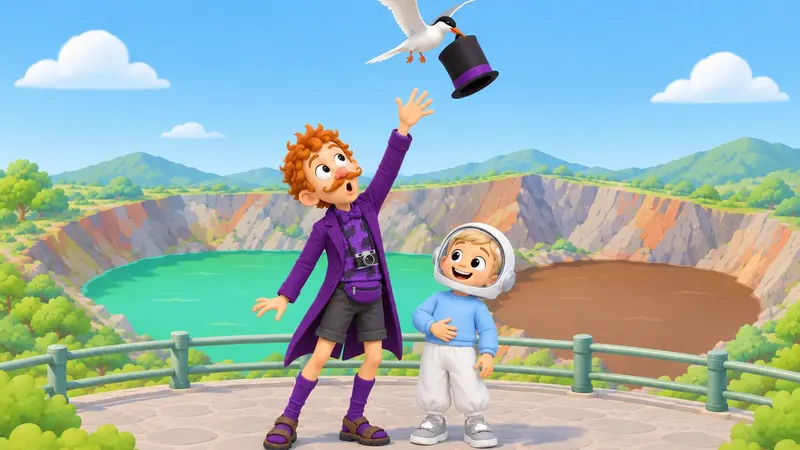
  • At a lookout over the crater lakes, a tern flies off with Mr Sneakenhausen's top hat as he reaches up in surprise, and a boy in a space helmet laughs.
    Kelimutu

    Fix the lake log

    He writes that the lake has "terned" brown.

    English: spelling the er sound

Adventurer mode: one challenge up close

Find out what broke the rocks, from start to finish

A challenge is a problem your child meets on the trip, and the lesson is what they need to solve it. Trying a problem before being taught leads to deeper understanding.2 Every screen is read aloud, which helps children who find reading hard understand more,3 and a voice tutor is there to ask if you want one.

Snowy MountainsScienceYear 3

Listen
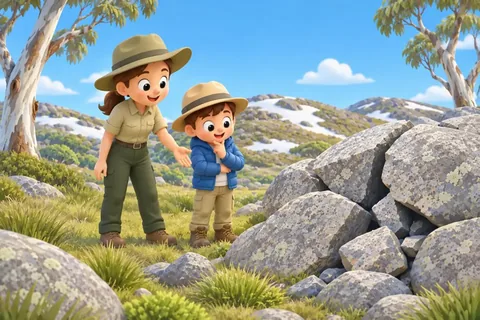
A ranger in a wide khaki hat points to a pile of broken grey rocks. The boy beside her has his hand on his chin, thinking.
The story

But rock is very hard, and nobody watched these rocks break.

So how did these big rocks get broken into piles? The ranger asks if you can work it out.

Start exploration
The story sets the problemOn the walk, your child and the ranger find rocks broken into piles. Working out why is what the lesson is for.
Listen
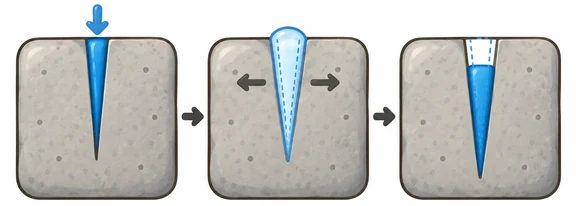
Three drawings of one rock: water runs into a crack, it freezes and pushes the crack wider, then it melts but the crack stays wider.
Learn

How ice cracks rock

Melted snow runs into a thin crack in a rock. On a cold night, the water in the crack freezes. The ice takes more room than the water did.

Next
Learn, inside the storyA film of a frozen bottle cracking, then the same thing inside a rock.
Listen
Practise

One cold night is not enough to break a big rock. To answer it with the ranger, you need every step.

Drag the steps into order, first at the top.

Melted snow runs into a thin crack in the rock.On a cold night, the water freezes and pushes the crack wider.During the day, the ice melts, and the water runs further into the wider crack.After thousands of years of cold nights, the rock breaks into pieces in a pile.
Ask tutor
Check
Practise, with a reasonEach step they practise takes them closer to solving the problem in front of them.
Listen
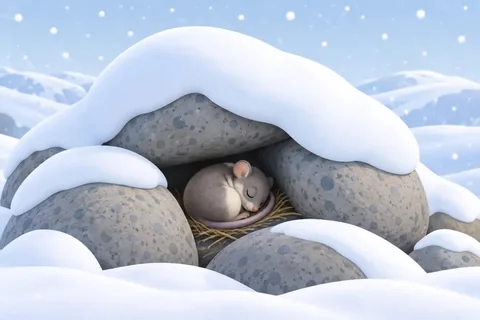
A mountain pygmy-possum curled up asleep on dry grass in a gap between big grey rocks, with snow over the rocks above it.
The answer

Now you know how ice broke the rocks. The gaps between the broken pieces are where the possums sleep under the snow.

So ice made the possum's home.

Finish
The story pays offThe story ends by solving the problem it set at the start: ice broke the rocks, and made the possum's home.
  1. Learn

    A short lesson inside the story, in words, pictures and sometimes a video. Stories are remembered better than plain explanations,4 and words with pictures better than words alone.5

  2. Practise

    Questions on what they learnt, with a hint when they are stuck. Recalling what you learnt makes it last longer than reading it again.6

  3. Apply

    A task away from the screen that uses what they learnt.

  4. Reflect

    A question to think over or talk about with you. Explaining an idea out loud deepens understanding.7

More than multiple choice

They drag, sort, match, plot and draw their answers, and the question changes to fit what is being learnt.

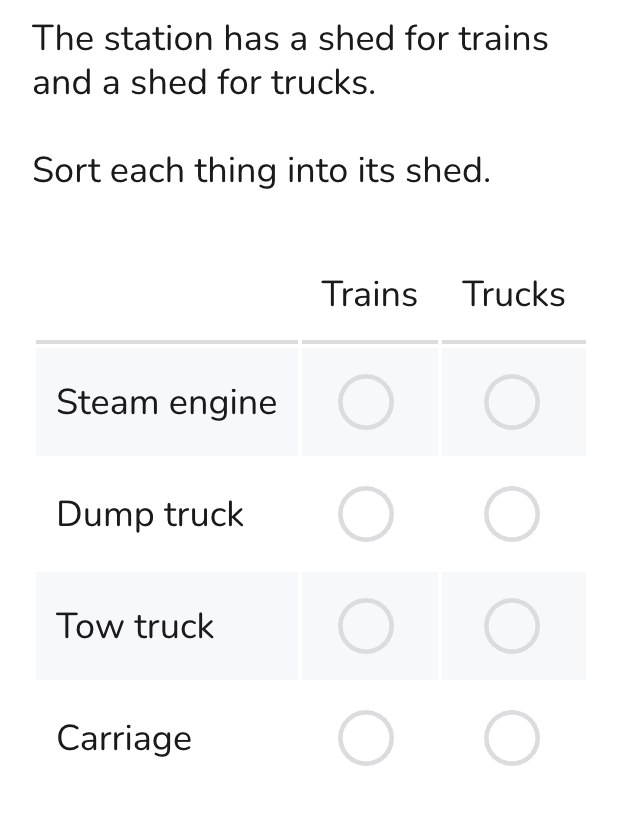
Sort into groups
The station has a shed for trains and a shed for trucks. Sort each thing into its shed: steam engine, dump truck, tow truck and carriage, each with a circle under Trains and one under Trucks.
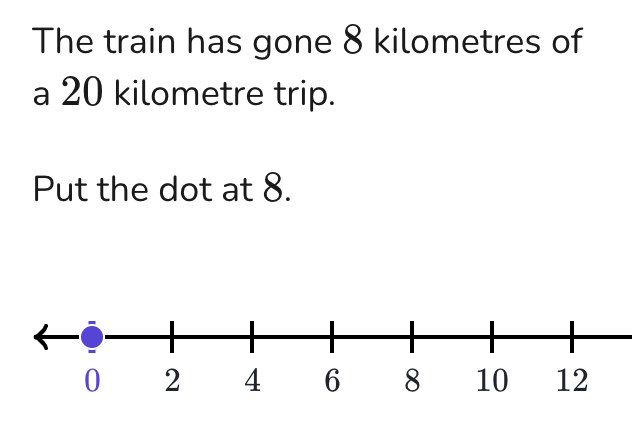
Place on a number line
The train has gone 8 kilometres of a 20 kilometre trip. Put the dot at 8, on a number line from 0 to 12.
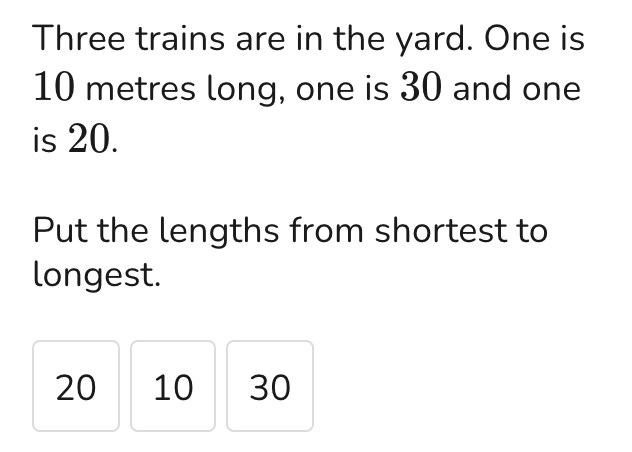
Put in order
Three trains are in the yard. One is 10 metres long, one is 30 and one is 20. Put the lengths from shortest to longest: 20, 10 and 30 to drag into place.
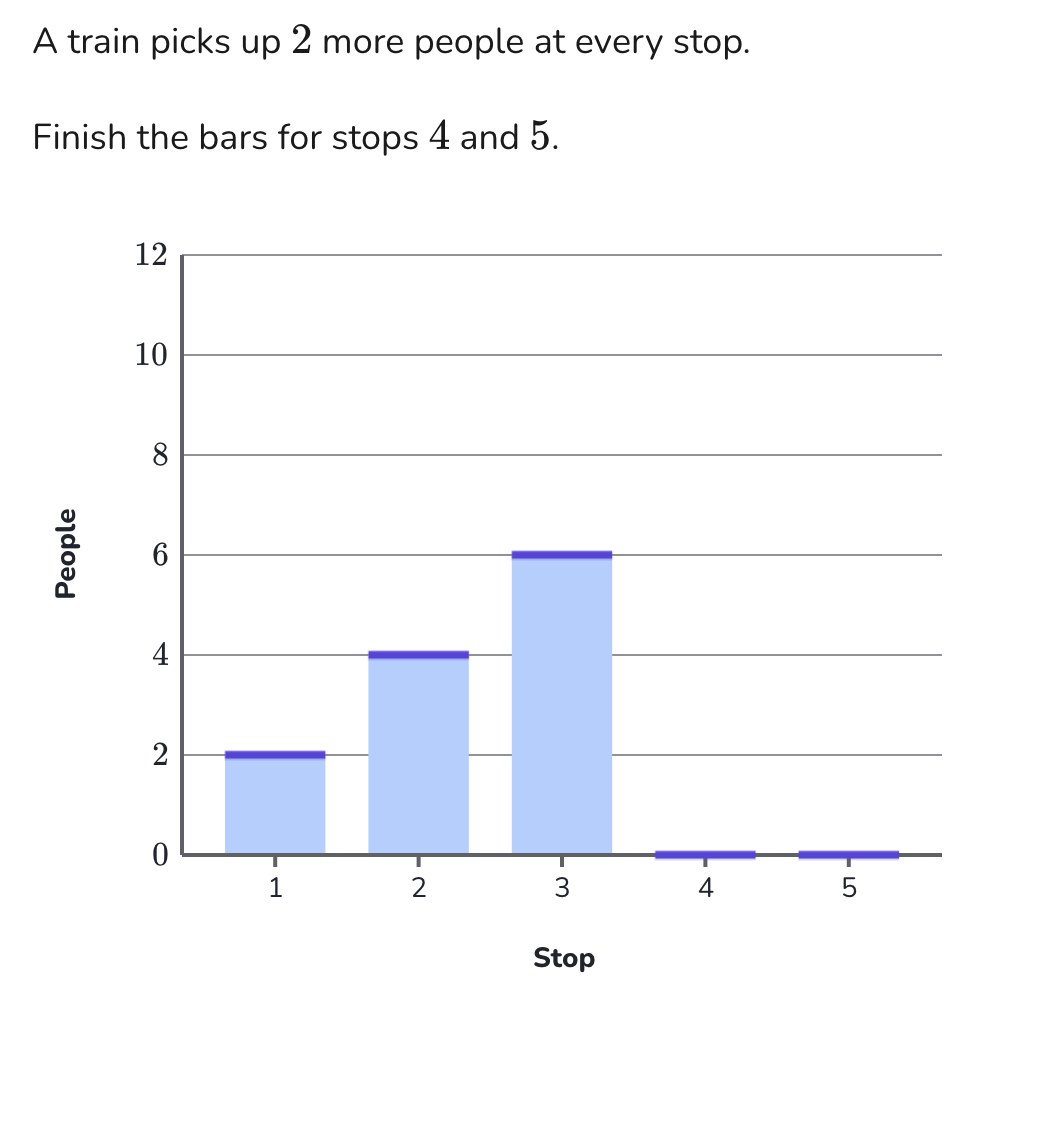
Drag the bars
A train picks up 2 more people at every stop. Finish the bars for stops 4 and 5: a bar chart of people at each stop, with stops 1 to 3 at 2, 4 and 6.
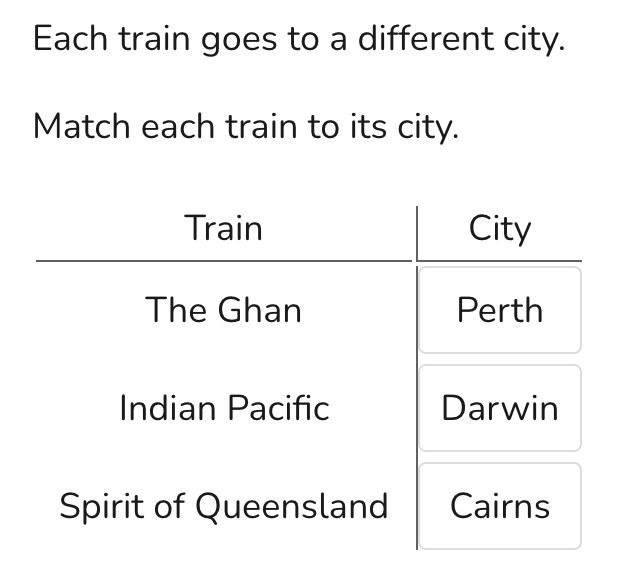
Match pairs
Each train goes to a different city. Match each train to its city: The Ghan, Indian Pacific and Spirit of Queensland beside Perth, Darwin and Cairns.
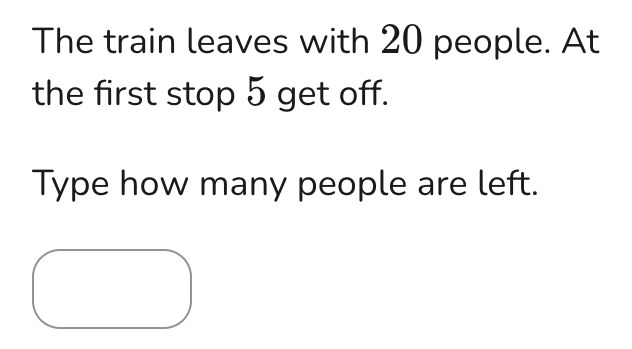
Type a number
The train leaves with 20 people. At the first stop 5 get off. Type how many people are left.
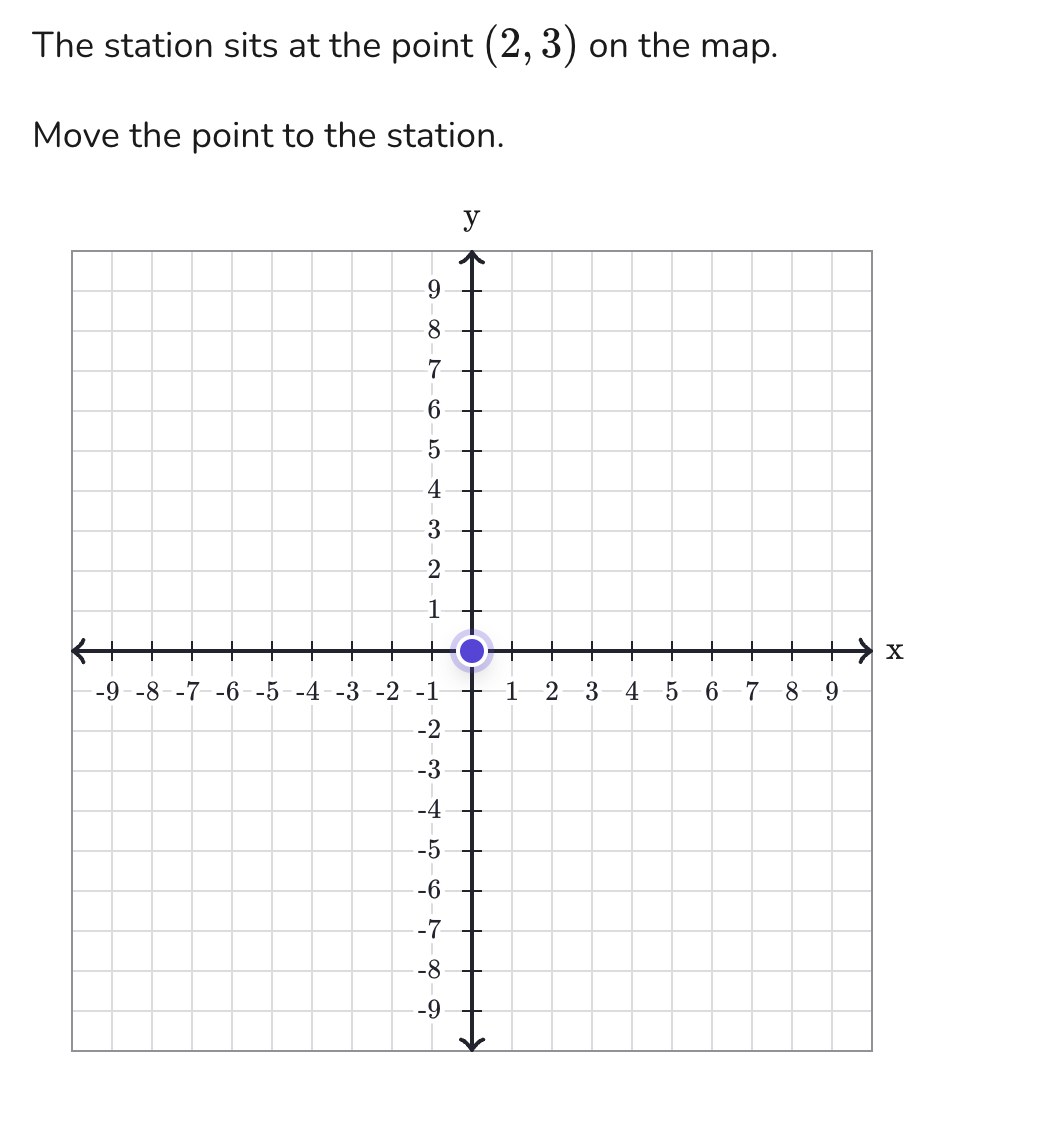
Plot a point
The station sits at the point (2, 3) on the map. Move the point to the station, on a grid from minus 9 to 9.
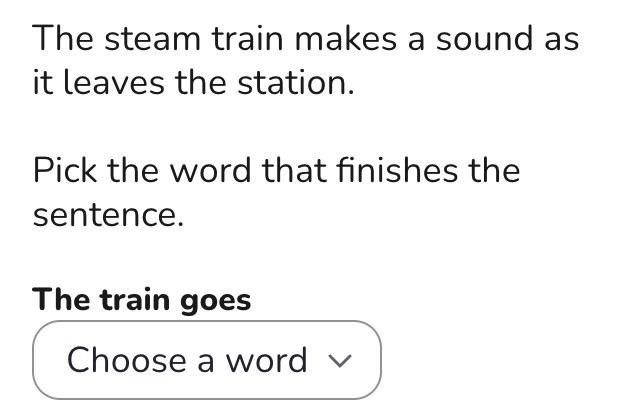
Pick a word
The steam train makes a sound as it leaves the station. Pick the word that finishes the sentence: The train goes, then a drop-down to choose a word.
Fill in a table
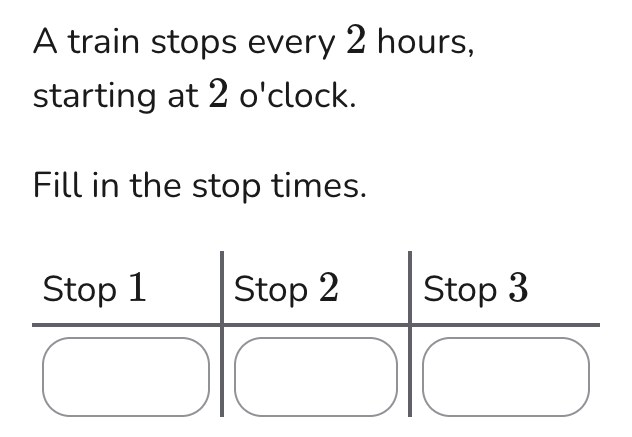
A train stops every 2 hours, starting at 2 o'clock. Fill in the stop times for stops 1, 2 and 3.
Draw a line
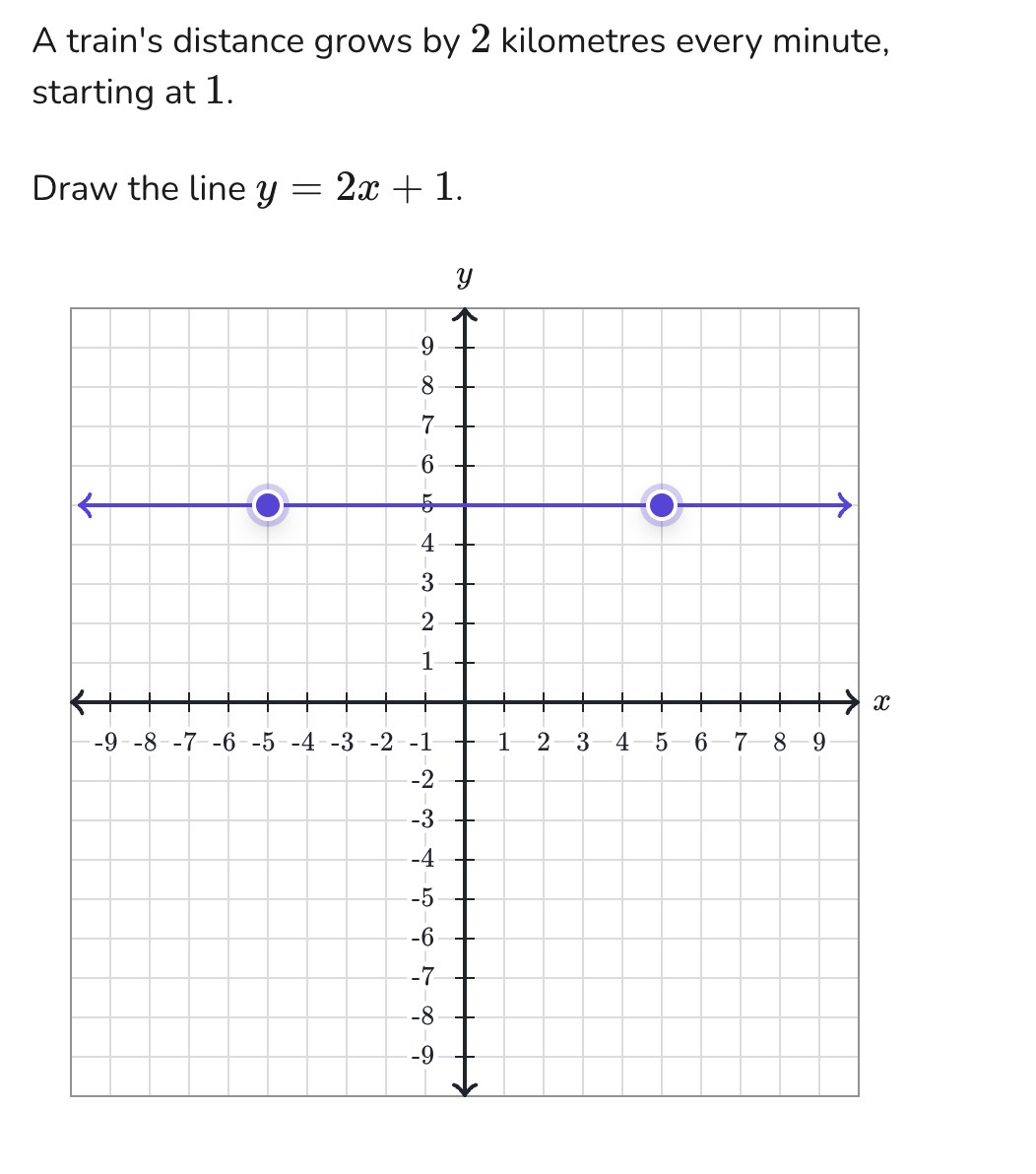
A train's distance grows by 2 kilometres every minute, starting at 1. Draw the line y = 2x + 1 by moving two points on a grid.

Scroll for more.

The app, free for every family

The paperwork side of homeschooling, free

Other providers charge for registering, planning and keeping a record. Here they are free.

  1. 1Register, if you need to

    We write the plan your state asks for, as a Word document to send in. Already registered? Skip it.

  2. 2Plan the term

    Week by week, written to the Australian Curriculum.

  3. 3Keep a record as you go

    Write a note or add a photo. We suggest the curriculum codes it covers, so your record builds up as you go.

  4. 4Find resources

    Name a topic. We recommend lessons and videos from Scootle and other Australian sources, for your child's year.

  5. 5Make a worksheet

    Say what your child is learning and what they love, and print the worksheet that comes back. Try the worksheet generator

Families already do their whole school week here

Our founding families left other packages. Now every subject, every day, runs through their child's map.

What it costs

The app is free. Adventurer mode is $49.95 a week.

Start with the free app. Adventurer mode starts with a free trial, so you see it work for your child before you pay.

The app

Free

Free, with no end date. Use it on its own, or alongside Adventurer mode.

Everything to run your homeschool:

  • A registration plan for your state
  • A term plan, written to the Australian Curriculum
  • Notes and photos, tagged with the curriculum codes they cover
  • A resource finder that searches Scootle and other Australian sources
  • A printable worksheet generator
Sign up free

Adventurer mode

$49.95 a week

Free trial first. We look at what your child is strong in and what they find hard, then make their first two lessons free.

Everything in the free app, plus:

  • Lessons made for your child, problem first, like a cartoon or a game, read aloud by professional voices
  • We write the term plan and change it as the term goes
  • Any lesson printed on paper for a day away from the screen, with the answers on their own pages
  • We keep an eye on how each lesson goes, what clicked and what took longer, and shape the next ones around it, with regular check ins with you8
  • Progress updates for you
  • A voice tutor, if you want one, that asks your child to explain their thinking rather than handing over the answer, and spots confusion early7
  • A call with a person to plan it around your child, if you want one
Message us
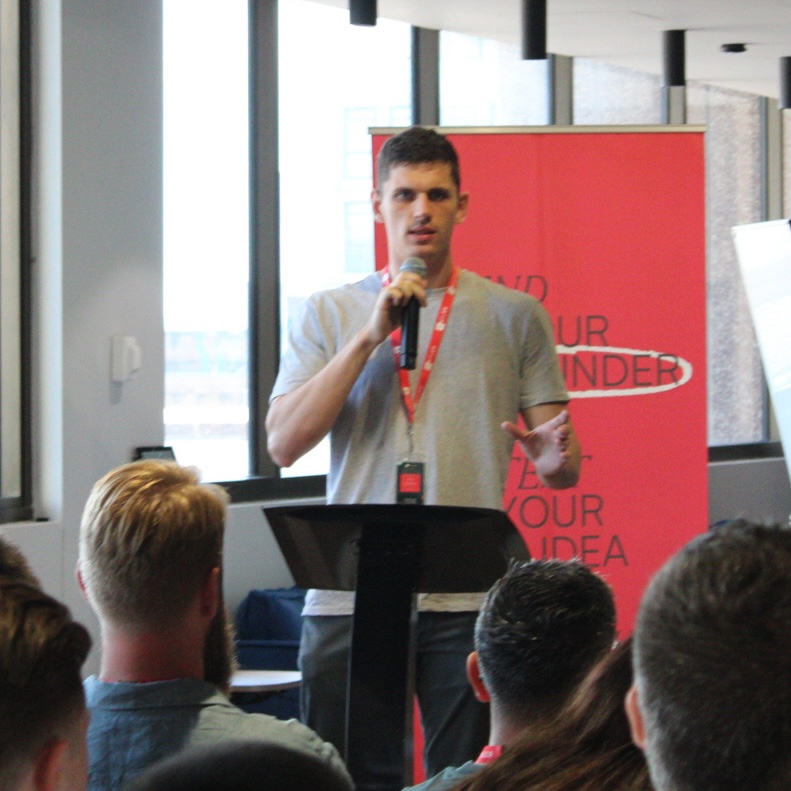
Ross speaking into a microphone at a lectern

Built by Ross

Came to Australia at 13 with no English, worked in corporate finance and as a software engineer, taught 150 students at university, and was diagnosed with ADHD as an adult. Read the full story

Founding families: second round, open now

Two more founding places

We are looking for two more families who want a say in what we build next. They get Adventurer mode for less, and work with us closely.

What you get

What we ask

  • Adventurer mode at $15 a week, not $49.95.
  • A direct line to Ross, who builds it. You help shape what comes next.
  • That you give it a proper go with your child.
  • That you tell us what is working and what is not, so we can put it right.
Message us

Tell us about your child and what you are after. We reply to everyone, and if it looks like a fit we will offer you a place.

The research behind it
  1. Gunn and Delafield-Butt (2016). Teaching children with autism spectrum disorder with restricted interests: a review of evidence for best practice. Review of Educational Research, 86(2). doi.org/10.3102/0034654315604027
  2. Sinha and Kapur (2021). When problem solving followed by instruction works: evidence for productive failure. Review of Educational Research, 91(5). doi.org/10.3102/00346543211019105
  3. Wood, Moxley, Tighe and Wagner (2018). Does use of text-to-speech and related read-aloud tools improve reading comprehension for students with reading disabilities? A meta-analysis. Journal of Learning Disabilities, 51(1). doi.org/10.1177/0022219416688170
  4. Mar, Li, Nguyen and Ta (2021). Memory and comprehension of narrative versus expository texts: a meta-analysis. Psychonomic Bulletin and Review, 28. doi.org/10.3758/s13423-020-01853-1
  5. Mayer (2021). The multimedia principle. The Cambridge Handbook of Multimedia Learning. doi.org/10.1017/9781108894333.015
  6. Roediger and Karpicke (2006). Test-enhanced learning: taking memory tests improves long-term retention. Psychological Science, 17(3). doi.org/10.1111/j.1467-9280.2006.01693.x
  7. Chi, de Leeuw, Chiu and LaVancher (1994). Eliciting self-explanations improves understanding. Cognitive Science, 18(3). doi.org/10.1207/s15516709cog1803_3
  8. Black and Wiliam (1998). Assessment and classroom learning. Assessment in Education, 5(1). doi.org/10.1080/0969595980050102

Further reading

More studies on the same ideas, for anyone who wants to read further.

Lessons built on what they love

  • Harrop et al. (2019). That's what I like: The use of circumscribed interests within interventions for individuals with autism spectrum disorder. A systematic review. Research in Autism Spectrum Disorders, 57. doi.org/10.1016/j.rasd.2018.09.008
  • Gruber, Gelman and Ranganath (2014). States of curiosity modulate hippocampus-dependent learning via the dopaminergic circuit. Neuron, 84(2). doi.org/10.1016/j.neuron.2014.08.060
  • Hidi and Renninger (2006). The four-phase model of interest development. Educational Psychologist, 41(2). doi.org/10.1207/s15326985ep4102_4

Stories

  • Arya and Maul (2012). The role of the scientific discovery narrative in middle school science education: An experimental study. Journal of Educational Psychology, 104(4). doi.org/10.1037/a0028108
  • Dahlstrom (2014). Using narratives and storytelling to communicate science with nonexpert audiences. Proceedings of the National Academy of Sciences, 111(Supplement 4). doi.org/10.1073/pnas.1320645111

Trying the problem first

  • Kapur (2008). Productive failure. Cognition and Instruction, 26(3). doi.org/10.1080/07370000802212669
  • Schwartz and Martin (2004). Inventing to prepare for future learning: The hidden efficiency of encouraging original student production in statistics instruction. Cognition and Instruction, 22(2). doi.org/10.1207/s1532690xci2202_1
  • Loibl, Roll and Rummel (2017). Towards a theory of when and how problem solving followed by instruction supports learning. Educational Psychology Review, 29(4). doi.org/10.1007/s10648-016-9379-x

Pictures with words

  • Mayer and Anderson (1991). Animations need narrations: An experimental test of a dual-coding hypothesis. Journal of Educational Psychology, 83(4). doi.org/10.1037/0022-0663.83.4.484
  • Butcher (2006). Learning from text with diagrams: Promoting mental model development and inference generation. Journal of Educational Psychology, 98(1). doi.org/10.1037/0022-0663.98.1.182

Hearing it read aloud

  • Buzick and Stone (2014). A meta-analysis of research on the read aloud accommodation. Educational Measurement: Issues and Practice, 33(3). doi.org/10.1111/emip.12040
  • Milani, Lorusso and Molteni (2010). The effects of audiobooks on the psychosocial adjustment of pre-adolescents and adolescents with dyslexia. Dyslexia, 16(1). doi.org/10.1002/dys.397

Explaining their thinking and tutoring

Remembering what they learnt

  • Adesope, Trevisan and Sundararajan (2017). Rethinking the use of tests: A meta-analysis of practice testing. Review of Educational Research, 87(3). doi.org/10.3102/0034654316689306
  • Agarwal, Nunes and Blunt (2021). Retrieval practice consistently benefits student learning: A systematic review of applied research in schools and classrooms. Educational Psychology Review, 33(4). doi.org/10.1007/s10648-021-09595-9
  • Rowland (2014). The effect of testing versus restudy on retention: A meta-analytic review of the testing effect. Psychological Bulletin, 140(6). doi.org/10.1037/a0037559
  • Cepeda et al. (2006). Distributed practice in verbal recall tasks: A review and quantitative synthesis. Psychological Bulletin, 132(3). doi.org/10.1037/0033-2909.132.3.354

Checking and adjusting

  • Hattie and Timperley (2007). The power of feedback. Review of Educational Research, 77(1). doi.org/10.3102/003465430298487
  • Wisniewski, Zierer and Hattie (2020). The power of feedback revisited: A meta-analysis of educational feedback research. Frontiers in Psychology, 10. doi.org/10.3389/fpsyg.2019.03087
  • Kluger and DeNisi (1996). The effects of feedback interventions on performance: A historical review, a meta-analysis, and a preliminary feedback intervention theory. Psychological Bulletin, 119(2). doi.org/10.1037/0033-2909.119.2.254

Choice and ownership

  • Patall, Cooper and Robinson (2008). The effects of choice on intrinsic motivation and related outcomes: A meta-analysis of research findings. Psychological Bulletin, 134(2). doi.org/10.1037/0033-2909.134.2.270
  • Cordova and Lepper (1996). Intrinsic motivation and the process of learning: Beneficial effects of contextualization, personalization, and choice. Journal of Educational Psychology, 88(4). doi.org/10.1037/0022-0663.88.4.715
  • Koegel, Singh and Koegel (2010). Improving motivation for academics in children with autism. Journal of Autism and Developmental Disorders, 40(9). doi.org/10.1007/s10803-010-0962-6

Get started this week

Sign up free and plan your child's term.

Sign up free